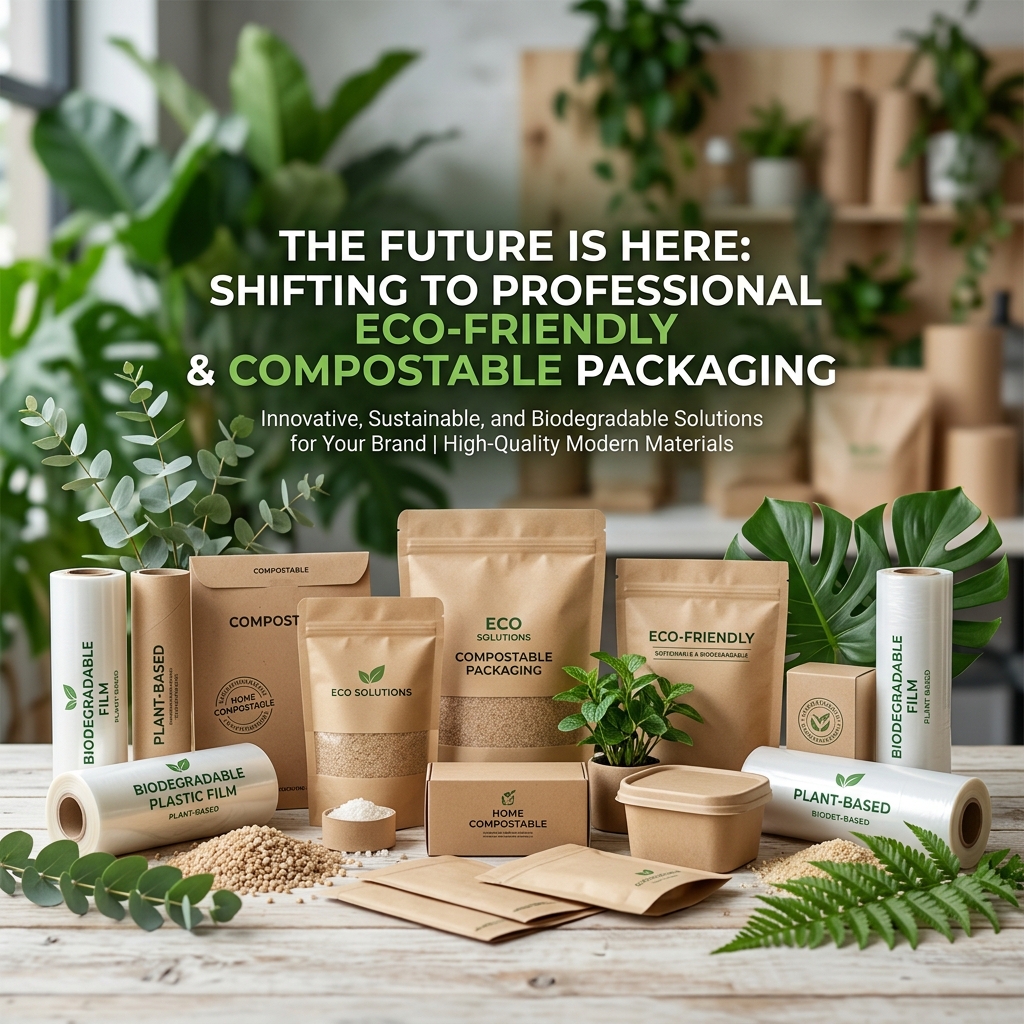
Explore statutory standards, CPCB regulations, and practical roadmaps for Indian converters and manufacturers shifting from conventional single-use plastics to certified compostable polymers.
As India intensifies its nationwide commitment to phase out non-recyclable single-use plastics under Plastic Waste Management Rules, biopolymers and certified compostable materials are stepping into the spotlight. The transition is not merely an environmental obligation; it represents a major industrial evolution across FMCG, retail, agriculture, and food service sectors.
Understanding Statutory Compliance & Standards
In accordance with CPCB (Central Pollution Control Board) and IS/ISO 17088 standards, packaging materials claiming to be bio-degradable or compostable must undergo rigorous disintegration, biodegradation, heavy metals, and ecotoxicity testing at CIPET-accredited national laboratories.
Biopolymers & Compostable Packaging Association of India (BCPAI) plays a crucial bridging role in guiding enterprises through certification steps, batch testing compliance, and registration procedures with statutory environmental authorities.
Key Benefits of Certified Bio-Based Packaging
- Complete Biodegradation: Decomposes into natural humus, CO2, and biomass under industrial composting conditions within 180 days without toxic microplastic residues.
- Reduced Carbon Footprint: Bio-based polymers synthesized from corn starch, sugarcane bagasse, and PLA consume significantly less fossil energy during raw material extraction.
- Regulatory Protection: Safeguards manufacturing units against environmental penalty notices and non-compliance fines.
Through our dedicated R&D wing and industry workshops, BCPAI offers technical consultation, batch audit guidance, and raw material sourcing support to all registered members.